Recognizing the Sorts Of Foreign Gifts: Exactly How to Properly Report Them
Understanding international presents is important for organizations passing through intricate reporting demands (report a foreign gift). These presents can differ significantly, dropping into non-monetary and financial classifications. Each kind provides unique obstacles in assessment and compliance. Organizations needs to know the moral and lawful effects entailed. Reliable management and reporting necessitate clear guidelines and routine training. The concern continues to be: exactly how can organizations ensure they satisfy these obligations while preserving openness and liability?
Definition and Introduction of International Gifts
Foreign presents are benefits or things obtained from foreign entities, which can consist of people, organizations, or federal governments. These presents might take various forms, including tangible products, services, or other kinds helpful that hold value. The relevance of foreign gifts typically lies in their prospective to influence relationships between companies, countries, or individuals. They can be a way of diplomacy, revealing a good reputation or promoting teamwork. The approval of such presents increases ethical and legal factors to consider, especially regarding transparency and prospective disputes of interest. Receivers must navigate intricate regulations that regulate the reporting and acceptance of foreign presents, guaranteeing conformity with both residential and global legislations. Understanding the meaning and implications of international presents is essential for organizations and individuals to keep stability and liability in their ventures with foreign entities. This fundamental knowledge sets the phase for a deeper exploration of the different sorts of international presents and their reporting demands.
Sorts Of International Presents: Monetary vs. Non-Monetary
Gifts from abroad can be categorized right into 2 primary types: financial and non-monetary. Monetary gifts encompass straight financial payments, such as money or checks, which can substantially affect the recipient's financial standing. These gifts are usually uncomplicated to worth and record, as they include clear monetary amounts.
Non-monetary gifts, on the various other hand, consist of substantial products such as clothes, art work, or souvenirs, as well as intangible offerings like experiences or solutions. While these gifts may not have a direct financial impact, they can hold significant emotional or cultural worth. Valuing non-monetary presents can be extra complex, as it commonly requires reviewing the thing's market well worth or relevance to the recipient. Understanding these two classifications is vital for exact coverage, ensuring compliance with guidelines preserving and pertaining to international presents openness in financial transactions.
Ethical and lawful Ramifications of Receiving Foreign Present
While the appeal of obtaining gifts from abroad may seem harmless, the legal and moral effects related to such purchases can be considerable. Recipients have to navigate complex regulations that govern the acceptance of foreign presents, as failure to do so might result in legal consequences, consisting of penalties or permissions. Morally, the acceptance of gifts from foreign entities can cause understandings of favoritism or conflicts of rate of interest, particularly for people ready of power or public trust. Such understandings can weaken the integrity of organizations and wear down public confidence. In addition, the potential for international impact raises concerns pertaining to nationwide protection and the honesty of decision-making processes. Therefore, people must very carefully consider not only the legality of approving international presents however likewise the more comprehensive effects on their reputations and the organizations they represent. Inevitably, thoughtful deliberation is crucial to keep both legal conformity and ethical standards.
Reporting Demands for Foreign Presents

Understanding the reporting demands connected with getting international presents is crucial for people in numerous industries, especially those in government and public solution. These requirements are created to advertise transparency and stop conflicts of rate of interest. Commonly, receivers should report any kind of international gifts going beyond a defined monetary threshold, which differs by jurisdiction.
Documentation is critical, as recipients need to give information such as the worth, nature, and resource of the gift, together with the date it was obtained. Several organizations need receivers to submit their records within a marked timeframe, typically within thirty days of invoice.

Failure to follow these reporting obligations can cause serious effects, consisting of lawful charges and damage to one's expert credibility. As an outcome, recognizing the specific guidelines suitable to one's position and jurisdiction is crucial for guaranteeing compliance and maintaining ethical criteria in civil service.

Finest Practices for Taking Care Of International Gifts in Organizations
To successfully take care of international gifts within organizations, establishing clear policies and treatments is critical. Organizations should start by specifying what constitutes an international gift and identifying the relevant reporting needs to ensure conformity with legal responsibilities. Routine training sessions can boost personnel recognition of these policies, advertising a culture of openness and diligence.
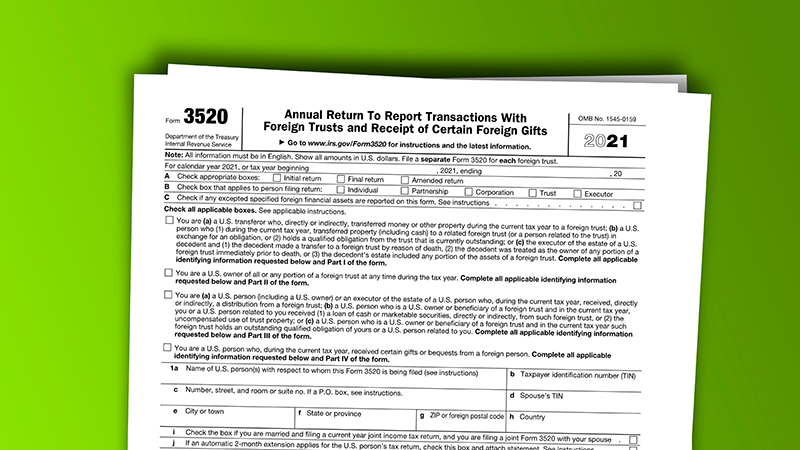
Furthermore, organizations must execute a central monitoring system to document all foreign presents got, including details such as the source, purpose, and value. report a foreign gift. This system ought to promote routine evaluations and audits to evaluate compliance with well-known plans
Regularly Asked Inquiries
Can Foreign Gifts Influence Service Decisions or Relationships?
International gifts can significantly affect service choices and partnerships, typically creating viewed obligations or predispositions. Such influences may influence settlements, partnerships, and total business values, possibly bring about disputes of rate of interest or reputational threats.
What Are the Penalties for Stopping Working to Report Foreign Present?
Failing to report foreign presents can cause significant fines, consisting of fines, disciplinary activity, or lawful repercussions. Disobedience threatens openness and could harm credibilities, stressing the importance of sticking to reporting laws.
Are There Particular Countries With Stricter Gift Regulations?
Specific countries, like China and Saudi Arabia, impose more stringent policies on gifts, mirroring cultural standards and governmental oversight. These regulations might affect international interactions and necessitate cautious factor to consider by people engaging in cross-border relationships.
How Can Organizations Educate Personnel Regarding Foreign Present Policies?
Organizations additional info can enlighten staff members regarding international present policies with normal training sessions, thorough handbooks, and clear interaction networks. Engaging workshops and real-life scenarios aid reinforce understanding, making certain compliance and awareness of potential honest predicaments.
What Paperwork Is Essential for Foreign Gift Coverage?
Paperwork for foreign gift reporting commonly includes a thorough description of the gift, its value, the donor's information, function of the gift, and any applicable plans or policies regulating the approval and reporting of such gifts.
Foreign presents are items or advantages obtained from foreign entities, which can include federal governments, companies, or people. Recipients have to browse complicated policies that govern the coverage and approval of foreign gifts, making certain conformity with both worldwide and residential laws. Understanding the definition and ramifications of foreign gifts is essential for companies and people to maintain honesty and responsibility in look these up their transactions with international entities. Receivers need to browse complex regulations that control the acceptance of foreign gifts, as failure to do so may result in legal consequences, including penalties or sanctions. Failing to report foreign gifts can result in substantial penalties, published here including penalties, corrective action, or legal consequences.
Comments on “How to report a foreign gift according to government requirements”